First-Time Homeowner's Guide to Septic Systems in Locust Grove, GA
Understanding your septic system in Locust Grove, GA means learning how tanks and drain fields work together, recognizing maintenance needs, and knowing what to avoid flushing to ensure reliable operation.
How Do Septic Tanks Process Household Wastewater?
Septic tanks separate solids from liquids through gravity, allowing bacteria to break down waste while filtered effluent flows to the drain field for soil absorption.
When wastewater enters your tank, heavy solids sink to the bottom forming sludge, while grease and lighter materials float to create a scum layer. The middle liquid zone holds partially treated effluent that exits through the outlet baffle to your drain field.
Beneficial bacteria living in the tank digest organic matter, reducing solid volume over time. However, sludge still accumulates faster than bacteria can process it, which is why regular pumping every three to five years remains essential for preventing system overload and drain field damage.
What Items Should Never Enter Your Septic System?
Flushing non-biodegradable materials like wipes, feminine products, dental floss, medications, grease, or harsh chemicals kills beneficial bacteria and clogs your system.
Even products labeled "flushable" don't break down in septic tanks and can block pipes or accumulate in the tank, requiring emergency pumping. Pouring cooking oil or grease down drains creates thick layers that prevent proper separation and flow.
Antibacterial soaps, bleach, and chemical drain cleaners kill the bacteria that digest waste in your tank. Paint, solvents, and medications contaminate groundwater and disrupt the biological processes your septic system depends on for proper function.
When Should You Schedule Professional Inspections?
New homeowners should arrange a comprehensive septic inspection within the first few months to establish a baseline and identify any existing issues before they become emergencies.
A thorough inspection reveals tank condition, sludge levels, baffle integrity, and drain field performance. The technician records tank size, last pumping date if known, and any maintenance concerns that need attention.
This initial evaluation helps you create a personalized maintenance schedule based on your household size and system capacity. Professional septic tank inspection services in Locust Grove provide detailed reports documenting system condition, giving you peace of mind and a roadmap for future care.
Do Locust Grove's Soil Conditions Affect System Performance?
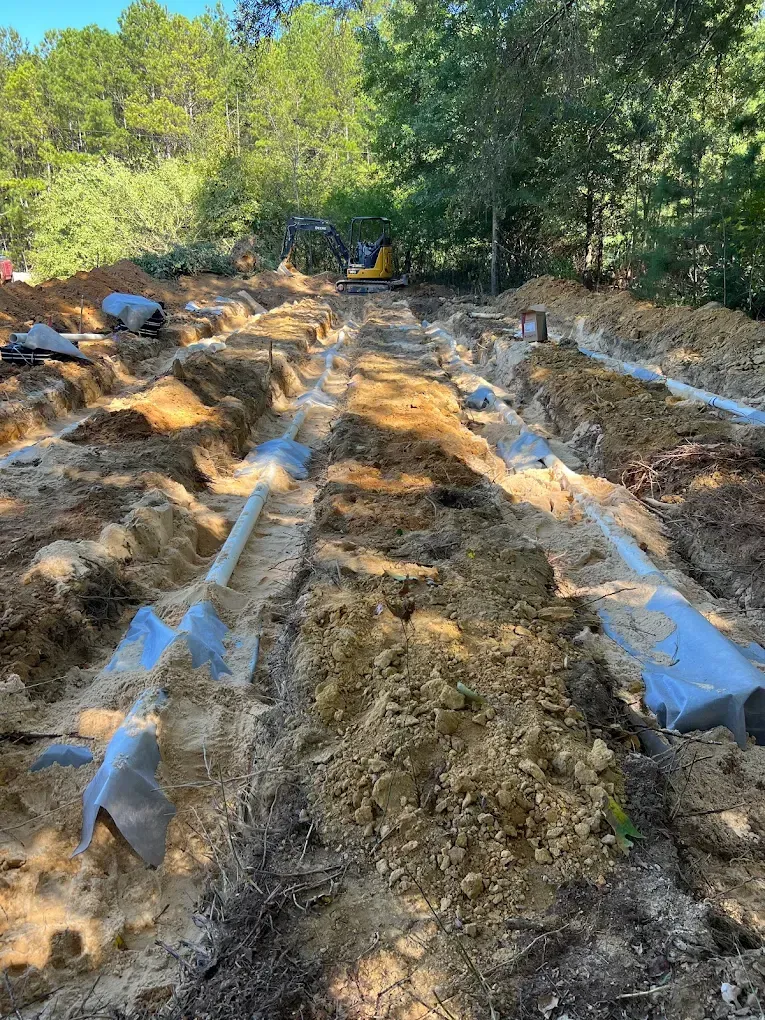
Henry County's mix of clay and sandy soils means drain field performance varies significantly, with some properties requiring larger drain fields or specialized designs for reliable wastewater absorption.
Clay-heavy soils drain slowly and may become saturated during Georgia's wet seasons, temporarily reducing your system's capacity. Sandy soils absorb water quickly but provide less filtration, requiring careful drain field placement to protect groundwater quality.
Understanding your property's specific soil type helps you anticipate maintenance needs and recognize normal seasonal variations versus actual system problems. Properties with challenging soil conditions benefit from more frequent inspections and conservative water use during rainy periods.
Learning septic system basics empowers you to maintain your home's most critical infrastructure. Simple habits like water conservation and proper disposal protect your system from preventable damage.
JD Septic & Sewer educates new homeowners throughout Locust Grove on septic system care and provides all necessary services. Discover septic maintenance programs in Locust Grove designed for first-time septic owners, or call 770-652-5503 to discuss your system's specific needs.