When Should McDonough, GA Homeowners Repair vs. Replace a Septic System?
Homeowners in McDonough, GA facing septic problems need a clear framework to decide whether system repair or full replacement is the smarter investment.
What Are the Signs That Repair Is Still the Right Move?
Not every septic problem means you need a brand-new system. Several common issues respond well to targeted repair, especially when they're caught early and the system's core structure is still sound.
A damaged or deteriorated baffle is one of the most frequent repair calls. Baffles are internal components that direct the flow of wastewater inside the tank. When they crack or collapse, solids can pass through into the drain field, causing clogs and soil damage. Replacing a baffle is a relatively straightforward repair that can extend your system's life significantly if done before drain field saturation occurs.
Cracked tank lids, broken inlet or outlet pipes, and pump failures are other repair-worthy issues. These problems affect specific components rather than the system as a whole. An experienced contractor can diagnose whether replacing the damaged part will restore full function or whether the underlying system is already compromised beyond what a single repair can fix.
If your system was installed in the last 15 to 20 years and has been regularly maintained, repair is almost always worth attempting first. The cost of replacing a component is a fraction of the cost of full system replacement, and a properly repaired system can often perform reliably for another decade or more. Learn about all the communities JD Septic & Sewer services throughout Henry and surrounding counties.
How Do You Know When Replacement Becomes Necessary?
There's a clear tipping point where repair stops making financial sense. Understanding where that line falls helps you make decisions based on facts rather than guesswork or panic in the middle of a septic emergency.
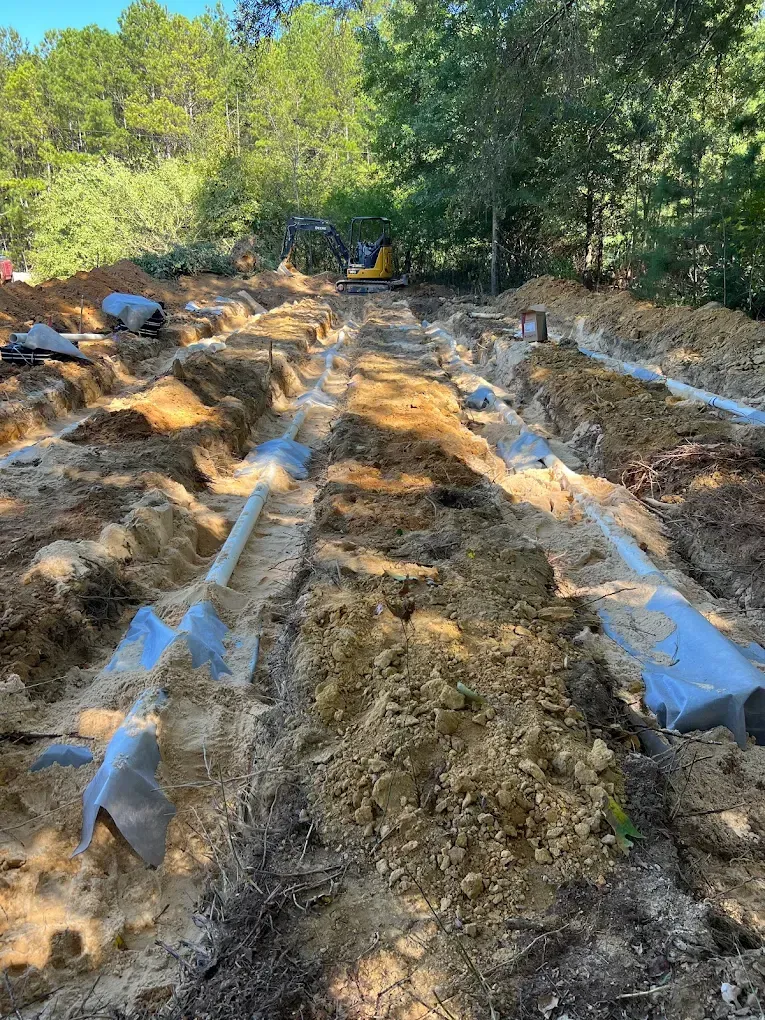
Drain field failure is the most common reason systems need full replacement rather than repair. When wastewater-saturated soil can no longer absorb effluent, it backs up toward the surface or into the home. Drain field repair is sometimes possible in limited cases, but widespread saturation from years of system stress typically means the entire absorption area needs to be relocated or rebuilt. This is a major project that often costs as much as a new installation.
System age is another key factor. Most residential septic systems have a functional lifespan of 20 to 40 years depending on installation quality, soil conditions, and maintenance history. If your system is approaching or past that range and is now requiring frequent repairs, putting more money into it delivers diminishing returns. A new system designed to current code with modern materials will outperform an aging system that keeps needing attention.
Tank structural failure — where concrete has cracked or steel has corroded through — typically warrants replacement rather than repair. Patching a compromised tank can provide temporary relief, but the tank's integrity will continue to decline. A contractor with diagnostic experience can assess whether the structure is still serviceable or whether it's time to plan a full replacement.
Does McDonough's Seasonal Demand Affect Repair and Replacement Timing?
Septic problems in McDonough don't arrive on a schedule, but seasonal patterns do affect both how quickly issues develop and how smoothly repair or replacement work can be completed.
Spring and early summer are peak times for septic service calls across Henry County. Heavy winter and spring rainfall raises water tables and saturates soil, making it harder for drain fields to absorb effluent. Systems that were marginal going into winter often fail or back up during the wet season when the ground is already holding as much moisture as it can handle. If you've noticed slow drains or wet spots in your yard after heavy rain, that's a signal your system may already be operating under stress.
From a scheduling standpoint, summer and fall tend to be the easiest seasons for installation and replacement work. Drier soil conditions make excavation cleaner and faster, and permits and inspections move more quickly when crews aren't competing against weather delays. If your contractor has identified that replacement is coming eventually, planning that work in late summer or fall can save you time, disruption, and potentially lower costs compared to emergency replacement in the middle of a wet spring.
Emergency septic situations can happen anytime, and JD Septic & Sewer is equipped to respond quickly when they do. But for non-emergency decisions about whether to repair or replace, taking time to plan the work in favorable conditions usually delivers a better outcome.
What Factors Go Into a Repair-vs.-Replace Decision?
The decision rarely comes down to a single factor. Most experienced contractors evaluate the full picture before recommending one path over the other, and that evaluation covers both technical and practical considerations.
Tank age and condition, drain field status, soil absorption data, system design relative to current household size, and the cost of repairs compared to replacement value all factor into the recommendation. A system that's 15 years old with a failed baffle is a very different situation from a 35-year-old system with a saturated drain field, even if both homeowners call with the same complaint of slow drains.
Future property plans also matter. If you're planning to sell your home within a few years, a documented repair with clear inspection results may be more cost-effective than full replacement. On the other hand, if you're planning to stay long-term and the system is aging, investing in a new installation now avoids repeated repair costs and gives you years of reliable, code-compliant service.
Read reviews from other Henry County homeowners on our customer testimonials page to understand how JD Septic & Sewer approaches these decisions, then call (470) 541-0848 to discuss your specific system and situation.
Whether your system needs a targeted repair or a full replacement, getting an accurate diagnosis from an experienced contractor protects you from paying for more than you need — or less than the problem actually requires.
Plan your next step with confidence by calling JD Septic & Sewer at (470) 541-0848 for expert evaluation of septic repair and replacement services in McDonough.