Older Septic Tank Problems: Warning Signs Atlanta Homeowners Shouldn't Ignore
Many homes throughout the Atlanta metro area rely on septic systems that were installed decades ago. While septic systems are designed to last for many years, aging components, increased household demand, and deferred maintenance can eventually lead to serious problems.
Understanding the most common older septic tank problems can help homeowners identify issues early and avoid expensive repairs or complete system replacements.
How Long Do Septic Systems Last?
A properly maintained septic system can often last 25 to 40 years or more. However, longevity depends on several factors, including:
- Installation quality
- Soil conditions
- Household usage
- Routine pumping schedules
- Maintenance history
Even well-maintained systems eventually experience wear and tear that requires professional attention.
Common Problems Found in Older Septic Systems
Failing Baffles
Baffles direct wastewater through the septic tank and prevent solids from entering the drain field. As systems age, these components may crack, deteriorate, or fail completely.
Excessive Sludge Buildup
Older systems that have missed routine pumping appointments often contain excessive sludge levels that reduce capacity and increase the risk of backups.
Cracked Tanks
Concrete tanks can develop structural cracks over time, allowing groundwater infiltration or wastewater leakage.
Root Intrusion
Tree roots naturally seek moisture and can infiltrate aging septic lines, causing blockages and restricting wastewater flow.
Drain Field Wear
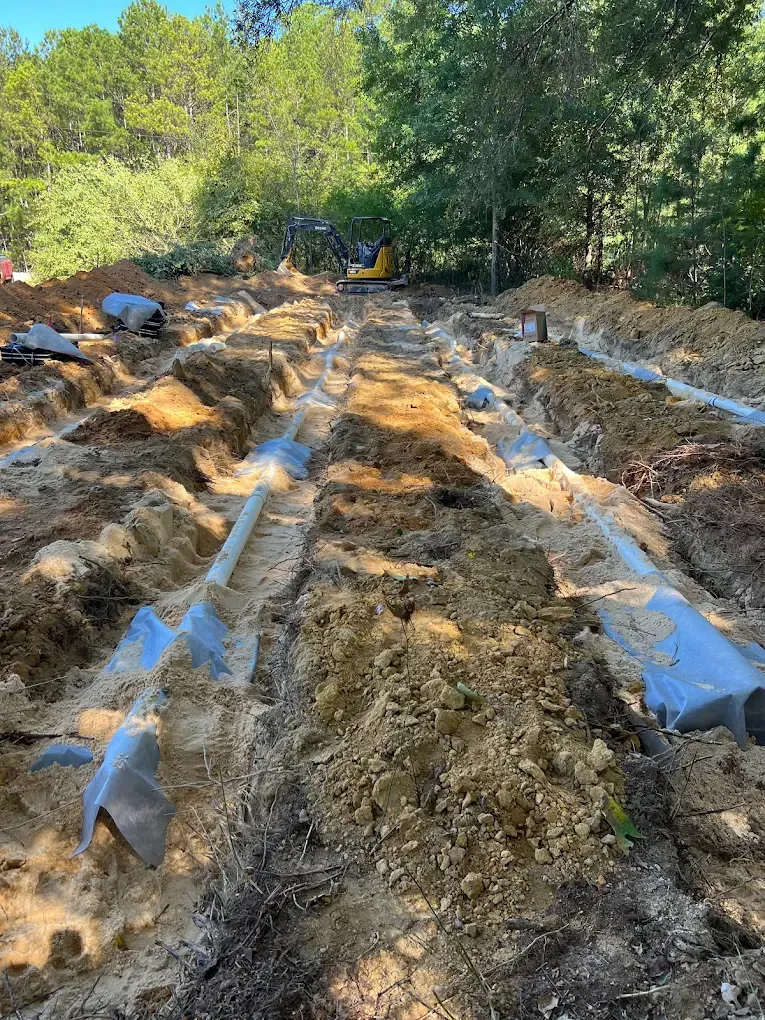
After decades of use, drain fields may become less effective at dispersing wastewater, leading to pooling water, odors, and drainage issues.
Warning Signs Your Older Septic Tank Needs Attention
Watch for:
- Slow drains
- Recurring backups
- Foul odors
- Wet spots in the yard
- Unusually green grass above septic components
- Gurgling plumbing fixtures
- Frequent need for pumping
These symptoms often indicate that a professional inspection is needed.
Why Septic Inspections Become More Important with Age
Routine inspections help identify problems before they become emergencies.
An inspection can reveal:
- Component deterioration
- Structural damage
- Drain field performance concerns
- Filter and baffle issues
- Capacity limitations
For older systems, inspections often save homeowners thousands of dollars by identifying small issues before they escalate.
Septic Risers Make Maintenance Easier
Many older Atlanta-area septic systems were installed without risers.
Adding a riser allows direct access to the tank from ground level and provides several benefits:
- Easier inspections
- Faster pumping appointments
- Reduced digging
- Lower maintenance costs
- Improved emergency response times
Risers are often one of the simplest and most beneficial upgrades for aging septic systems.
Repair or Replace?
Not every older septic system requires replacement.
In many cases, issues can be resolved through:
- Septic pumping
- Component replacement
- Filter maintenance
- Line repairs
- Drain field evaluations
A professional inspection is the best way to determine whether repairs can extend the life of the system or if replacement should be considered.
Protect Your Aging Septic System
Older septic systems can continue operating reliably for many years when properly maintained. Regular pumping, inspections, and proactive repairs help prevent emergencies and maximize system lifespan.
If your property has an older septic system and you're experiencing drainage issues, odors, or recurring backups, JD Septic & Sewer can provide a thorough evaluation and recommend the best solution for your home.