Improve Access for Older Septic Systems
Septic Riser Installation in Atlanta, GA
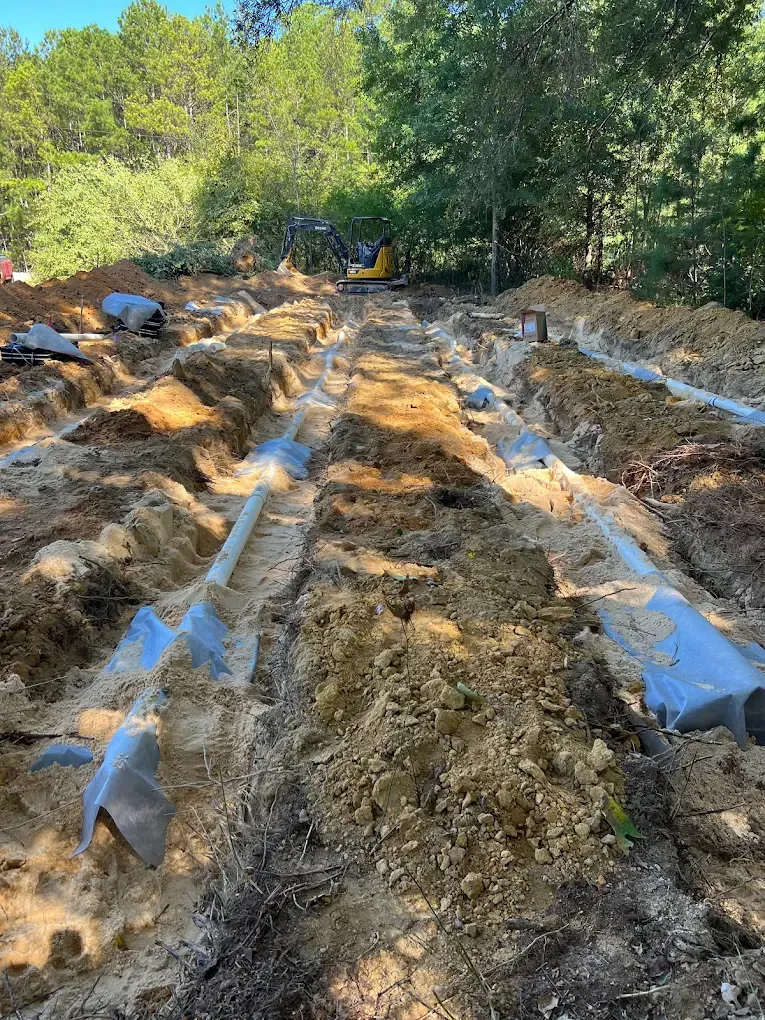
Older septic systems throughout the Atlanta metro area often suffer from one major issue: buried access points. When tanks are installed without risers, routine pumping, inspections, and diagnostics require excavation, which slows down service and makes emergency response more difficult.
JD Septic & Sewer provides professional septic riser installation for older systems across McDonough, Stockbridge, Locust Grove, Hampton, Fayetteville, Griffin, and surrounding areas. This upgrade brings tank access to ground level, allowing faster service, easier maintenance, and improved system visibility over time.
Along with riser installation, our team performs full septic tank inspections, identifying issues such as failing components, sludge buildup, leaks, and early drain field stress before they turn into costly system failures. With over 20 years of septic experience, we understand how older Georgia soil conditions and aging infrastructure affect system performance.
If your system is difficult to access or hasn’t been evaluated in years, installing a riser and scheduling an inspection is one of the most effective ways to restore control over your septic maintenance.
What to Expect During Riser Installation & Inspection
Your service begins with a full evaluation of your septic system to determine tank location, access depth, and overall system condition. For older buried systems, this step is critical in identifying whether riser installation is appropriate and where access points should be placed.
Once the system is exposed, JD Septic & Sewer installs a durable riser that connects the tank opening to ground level. This eliminates the need for future digging during pumping or inspections and significantly improves response time for maintenance or emergencies.
After installation, the system is inspected for signs of wear, including baffle condition, inlet and outlet performance, sludge levels, and drain field activity. Homeowners receive a clear explanation of system health and any recommended next steps.
Most installations are completed efficiently with minimal disruption to your yard, and the long-term benefit is immediate: easier access, faster service, and better oversight of system performance.
Why Older Septic Systems Need Riser Access & Drain Field Evaluation
Homeowners with older septic systems often deal with recurring issues that stem from limited access and aging underground components. These questions address the most common concerns about riser installation and inspection services in the Atlanta area.
Why is a septic riser important for older systems?
A riser brings septic tank access to the surface, eliminating the need for digging during pumping or inspections. This makes maintenance faster, reduces labor costs, and ensures the system can be serviced quickly during emergencies.
What do you check during an older system inspection?
The inspection includes tank levels, baffles, inlet and outlet lines, effluent flow, and early signs of drain field stress. This helps identify problems before they become system failures.
Can a riser help with emergency septic issues?
Yes, risers significantly improve emergency response times by allowing immediate access to the tank. This is especially important for older systems that are prone to sudden backups or overflows.
Do older septic systems need drain field inspections?
Yes, drain fields in older systems are more likely to show signs of saturation or reduced absorption. Regular inspections help determine whether the field can be maintained or needs corrective action.
Which areas do you serve for riser installation?
JD Septic & Sewer provides riser installation and inspections throughout McDonough, Stockbridge, Locust Grove, Hampton, Fayetteville, Griffin, and surrounding metro Atlanta communities.
Upgrading older septic systems with risers and routine inspections is one of the most effective ways to prevent emergencies and extend system life. Improved access means faster service, better diagnostics, and fewer disruptions when maintenance is needed.