How Conyers Clay Soil Affects Septic Tank Pumping Schedules
Why Sludge and Scum Accumulate Faster in Georgia Septic Systems
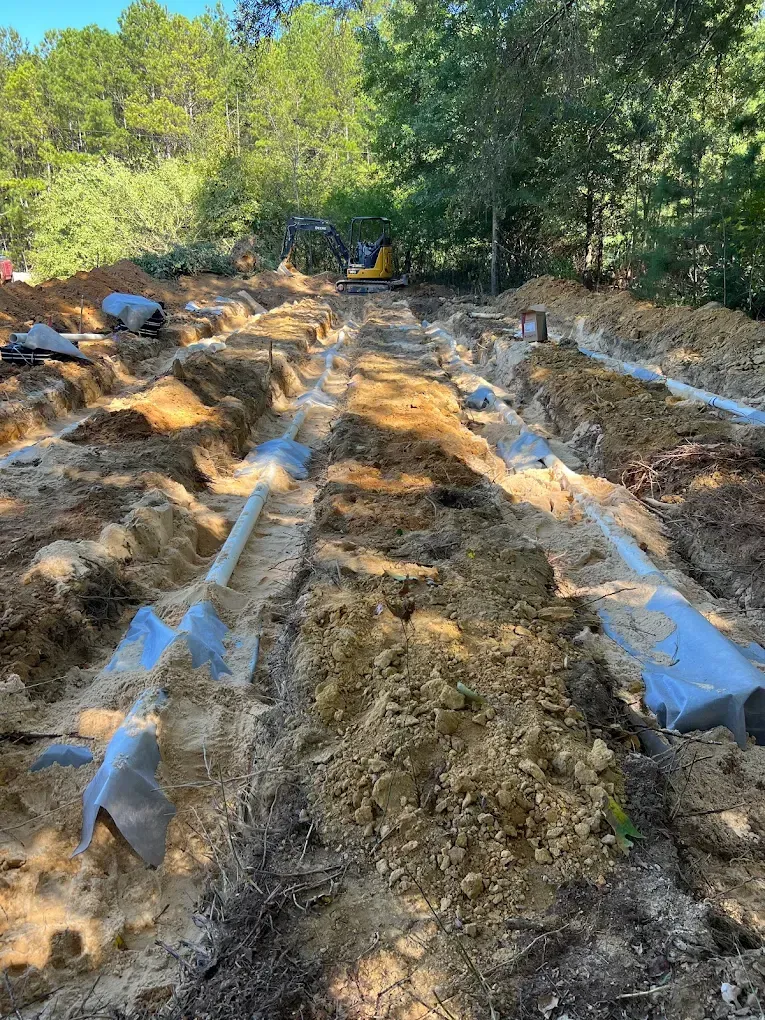
When dealing with septic systems in Conyers, the local clay-heavy soil changes how quickly tanks fill. Clay doesn't absorb effluent as readily as sandy loam, which means your drain field works harder and your tank retains solids longer. Over time, the sludge layer at the bottom and the scum layer floating on top grow thick enough to reduce the tank's effective capacity. Once those layers encroach into the outlet zone, untreated wastewater starts pushing into your drain field, carrying solids that clog the distribution lines and saturate the soil.
Professional septic tank pumping services using vacuum trucks remove both the sludge and scum layers before they migrate out of the tank. The vacuum draws out accumulated solids, leaving the tank ready to separate new wastewater efficiently. During the process, technicians inspect baffles, inlet and outlet tees, and the tank walls for cracks or root intrusion. What you see after pumping is a tank restored to its original working volume, with clean walls and intact components that won't leak or allow solids to escape into the drain field.
What Happens to Waste After It Leaves Your Property
Once the vacuum truck finishes pumping, the sludge and scum travel to a licensed treatment facility where solids are processed according to state regulations. Georgia requires all septage to go through approved disposal sites, which means you're not left wondering whether waste ended up in a questionable location. The treatment facility separates liquids from solids, treats the effluent to remove pathogens, and manages biosolids through composting or land application programs.
Regular pumping also extends the life of your drain field. When solids stay in the tank instead of migrating into the soil, the biomat—a layer of bacteria and organic material that forms at the soil interface—remains thin and permeable. A healthy biomat filters wastewater without blocking infiltration. Once solids clog the biomat, the drain field saturates, and you'll notice standing water, sewage odors, or slow drains inside the house. At that point, drain field replacement costs run into the thousands, while routine pumping every three to five years costs a fraction of that amount.
If you're noticing slow drains or soggy patches near your drain field in Conyers, it's time to schedule septic tank pumping before minor issues turn into expensive repairs. Get in touch to arrange an inspection and service visit.
Common Problems That Show Up During Component Inspection
Every pumping visit includes a component inspection because problems caught early cost less to fix. Technicians check for damage that affects how the tank holds and separates waste, and they look for signs that tree roots or shifting soil have compromised the system.
- Cracked tank walls that let groundwater seep in or effluent leak out, causing the tank to fill faster than normal
- Damaged baffles or missing outlet tees that allow scum and sludge to flow directly into the drain field
- Root intrusion through inlet or outlet pipes, which restricts flow and can cause backups inside the house
- Corroded or collapsed distribution boxes in Conyers systems, especially in older installations near Highway 138
- Excessive sludge buildup in tanks that haven't been pumped in more than five years, reducing capacity by half or more
JD Septic & Sewer uses vacuum trucks equipped to handle both residential and commercial tank sizes, and they dispose of all waste at licensed treatment facilities in compliance with Georgia regulations. If the inspection reveals damage, you'll know exactly what needs attention and why it matters for system performance. Contact us to schedule septic tank pumping and a full component inspection in Conyers.