Complete Septic System Inspection Reports for Senoia Real Estate Transactions
Tank Condition, Baffle Integrity, and Code Compliance Documented
A septic system that passes inspection gives buyers confidence and sellers leverage—one that fails derails closings and triggers renegotiations. Comprehensive septic inspections evaluate the entire system, not just whether the tank needs pumping. Tank condition includes checking for cracks, corrosion, or structural issues that compromise integrity. Baffle inspection confirms inlet and outlet baffles are intact and properly positioned, preventing solids from migrating to the drain field. Drain field performance assessment looks for surfacing effluent, saturated soil, or distribution issues that indicate the field is nearing capacity or already failing.
Code compliance matters because regulations evolve, and older systems installed decades ago may not meet current standards even if they're still functional. In Senoia, buyers and lenders increasingly require written inspection reports that document system condition and confirm whether upgrades or repairs are necessary before closing. After the inspection, you receive a detailed report outlining findings, photos of key components, and recommendations for any corrective action.
What Gets Evaluated During a Septic Inspection
Septic inspections for real estate transactions go beyond basic function tests. The tank gets opened and inspected for structural integrity—cracks in concrete tanks or rust-through in steel tanks can lead to collapse or contamination of groundwater. Inlet and outlet baffles are checked to ensure they're securely attached and not corroded, since baffle failure is one of the most common causes of premature drain field failure. Distribution boxes, if present, are inspected to verify even flow to all drain field laterals, preventing localized saturation.
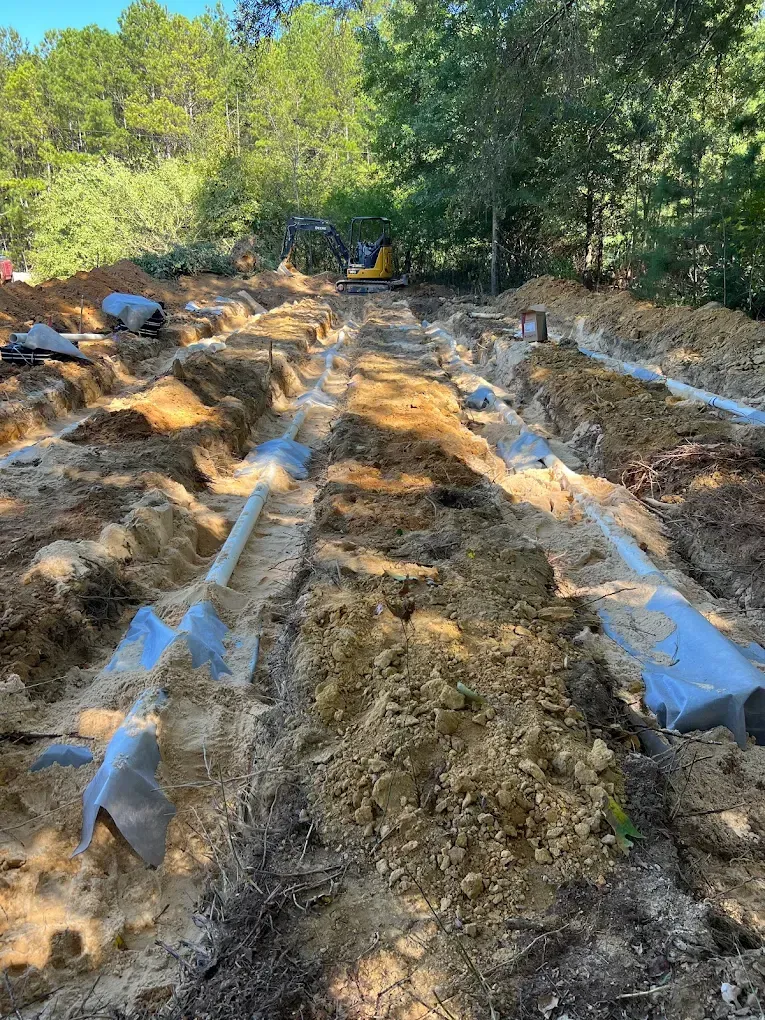
Drain field evaluation includes walking the field to identify soft spots, odors, or standing water that signal effluent is surfacing rather than percolating into the soil. Senoia's mix of clay and sandy soils means drain field performance varies significantly by property, and what works on one lot may struggle on another. Compliance checks compare the system against current county regulations, noting any components that would need upgrading if the system were replaced today. JD Septic & Sewer provides written reports with findings, photos, and clear explanations of any deficiencies, so buyers and sellers know exactly what they're dealing with before closing.
If you're buying or selling property in Senoia and need a septic inspection with a written report for lenders or buyers, contact us to schedule the evaluation and receive documentation before your closing date.
Key Components in a Written Septic Inspection Report
A thorough septic inspection report provides buyers, sellers, and lenders with the information needed to move forward confidently or negotiate repairs. Here's what gets documented:
- Tank condition assessment including structural integrity, evidence of leaks, and remaining wall thickness in older steel tanks
- Baffle integrity evaluation confirming both inlet and outlet baffles are present, intact, and functioning to prevent solids migration
- Drain field performance findings documenting whether effluent is percolating properly or showing signs of saturation or failure
- Distribution system checks verifying even flow to all laterals and identifying any clogs or imbalances that overload sections of the field
- Code compliance notes comparing the existing system to current Coweta County regulations and identifying any grandfathered components that would require upgrading if replaced
These reports satisfy lender requirements and give all parties a clear picture of system health. Whether you're closing on a home in Senoia or preparing to list, schedule a comprehensive septic inspection and get the written documentation you need to keep the transaction moving forward.