What Working Septic Tank Repair Looks Like After the Fix
Observable Changes When Tank Leaks and Baffles Are Repaired
After comprehensive septic system repair services address tank leaks, damaged baffles, root intrusion, and drain field issues, you'll notice water drains faster from sinks and toilets, and sewage odors disappear from the yard. If the tank had a crack that let groundwater seep in, the repair stops the dilution effect—your tank no longer fills with rainwater every time it storms, so pumping intervals return to normal. When damaged baffles are replaced, solids stay in the tank instead of washing into the drain field, which means the soil around your distribution lines stops turning black and soggy.
Septic tank repair also eliminates the backup risk. If tree roots had pushed through the outlet pipe, cutting them out and sealing the entry point restores full flow capacity. You won't wake up to a toilet that won't flush or a bathtub filled with sewage. Drain field issues often stem from solids that escaped a damaged tank, so fixing the tank prevents further contamination. Once the tank holds and separates waste correctly, the biomat in the drain field stabilizes, and standing water in the yard dries up within a few weeks.
How Repairs Address Different Failure Points
Septic system repair starts with identifying which component failed and why. Tank leaks usually appear at seams or where older concrete developed hairline cracks from ground settling. Technicians seal cracks with hydraulic cement or epoxy designed for wastewater environments, and in cases where the damage is too extensive, they'll recommend tank replacement. Damaged baffles get rebuilt or replaced with corrosion-resistant materials that won't deteriorate in the high-moisture, high-bacteria environment inside the tank.
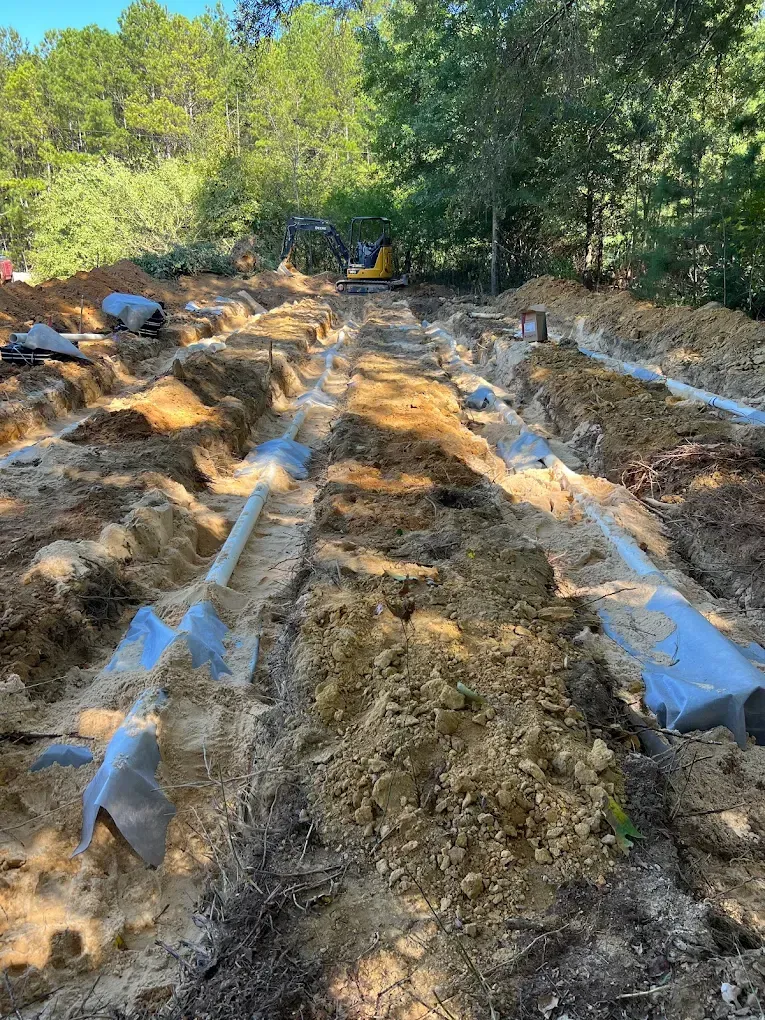
Root intrusion requires cutting the roots, removing any blockage from the pipe, and installing a root barrier or rerouting the line away from mature trees. For drain field issues, repair depends on whether the problem is localized clogging or widespread failure. If only one distribution line is saturated, technicians can replace that section. If the entire field has failed, you're looking at a full replacement, which is why catching tank problems early matters—it keeps solids out of the drain field in the first place.
Emergency response is available for system backups because sewage in the house is a health hazard. If you're dealing with slow drains, foul odors, or standing water near your septic system in Oxford, septic tank repair services can diagnose and fix the problem before it escalates. Learn more about scheduling an inspection and repair estimate.
Steps Involved in a Complete Septic System Repair
Comprehensive septic system repair services in Oxford follow a methodical process to ensure every failure point is addressed and the system returns to reliable operation.
- Excavation to expose the tank, inlet and outlet pipes, and distribution box so technicians can assess the full extent of damage
- Pressure testing or dye testing to locate cracks, leaks, or root entry points that aren't visible from the surface
- Removal of damaged baffles, corroded pipes, or compromised tank lids, followed by installation of code-compliant replacements
- Repair of drain field lines in Oxford's clay soils, which often involves replacing gravel, adding clean stone, or rerouting lines to undisturbed soil
- Final inspection to confirm all components are sealed, flow is unrestricted, and the system passes local health department requirements
JD Septic & Sewer handles everything from minor baffle repairs to full system overhauls, with emergency response available when backups threaten your home. After the repair, your system works the way it should—quietly, efficiently, and without the risk of sewage surfacing in the yard or backing up into the house. Contact us to schedule septic tank repair services in Oxford and restore your system to full function.