Custom Septic System Design Built Around Sharpsburg Soil and Site Conditions
Why Generic Layouts Fail and Custom Design Succeeds
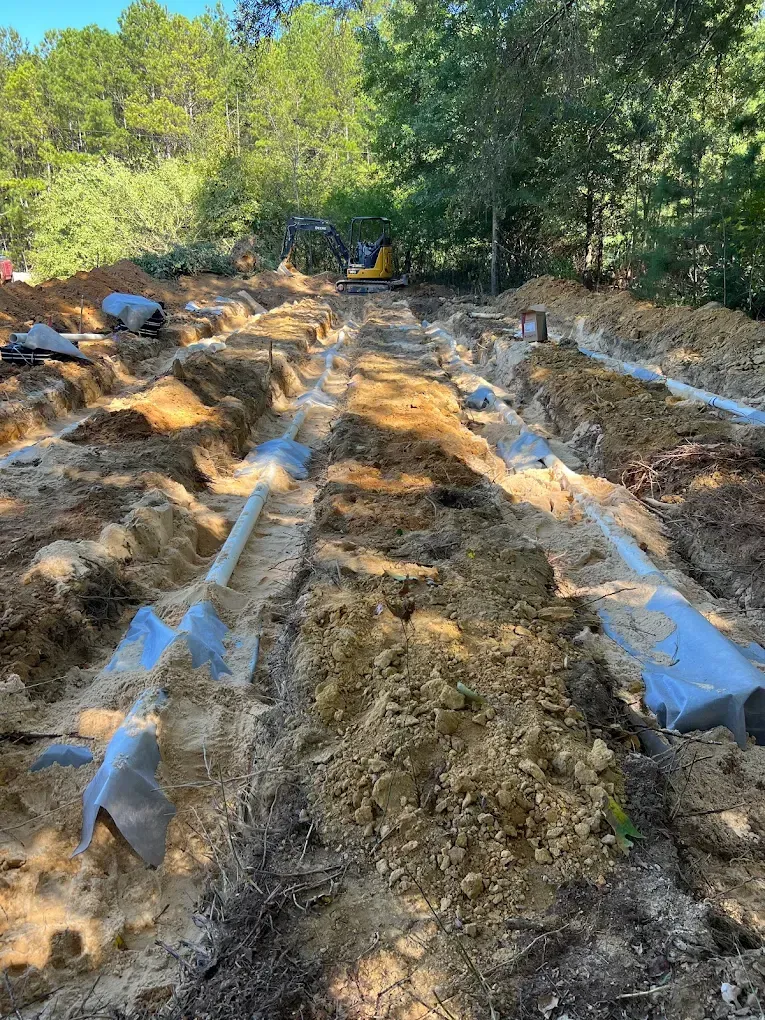
Installing a septic system without proper design and soil testing is like building a house without checking whether the ground can support the foundation—it might work, or it might fail expensively within a few years. Generic septic layouts assume uniform soil conditions that rarely exist in reality. Sharpsburg properties feature varied terrain, from gently sloped lots to areas with heavy clay subsoil that drains poorly. A system designed for sandy, fast-draining soil will fail quickly if installed in clay that can't percolate effluent fast enough, leading to surfacing wastewater and saturated drain fields.
Professional septic system design starts with percolation testing and soil analysis that determine how quickly water moves through the soil at different depths. These tests establish the absorption rate, which dictates the size and configuration of the drain field. Custom system layouts account for property slope, setback requirements from wells and property lines, and proximity to streams or wetlands regulated by local codes. The result is a system engineered for your specific site rather than a one-size-fits-all installation that may or may not function as intended.
How Soil Testing Determines System Viability
Percolation testing measures how long it takes water to drain from a test hole dug in the proposed drain field area. Faster percolation allows smaller drain fields because the soil can process effluent quickly; slower percolation requires larger fields or alternative systems like mound systems that elevate the drain field above poor soil. Soil analysis evaluates texture, structure, and layering to identify restrictive horizons—dense clay layers or rock shelves that prevent downward movement of effluent and cause it to surface or flow laterally.
In Sharpsburg, where soil composition varies even within a single property, testing multiple locations identifies the best placement for the drain field and avoids areas that would require expensive modifications. Custom system layouts also factor in future expansion—if you plan to add bedrooms or increase household size, the system gets sized accordingly from the start rather than requiring a costly upgrade later. JD Septic & Sewer provides professional design services with percolation testing, soil analysis, and system layouts that comply with Coweta County regulations and site-specific conditions, so your septic system functions properly from day one.
If you're planning new construction or replacing a failing system in Sharpsburg, schedule septic system design and soil testing to ensure your investment is built on accurate site data and sound engineering.
What to Evaluate When Planning a New Septic System
Designing a septic system that works reliably for decades requires assessing multiple site factors before installation begins. These considerations shape the final layout:
- Soil percolation rate determines drain field size and whether alternative systems like mounds or pressurized distribution are needed for slow-draining soils common in Sharpsburg
- Property slope affects drain field placement and may require terracing or specialized layouts to prevent effluent from surfacing downhill
- Setback requirements from wells, property lines, and surface water bodies dictate where the system can legally be installed under local regulations
- Future household needs including planned additions or increased occupancy that would require larger tank capacity or expanded drain field area
- Soil layering and restrictive horizons that limit how deep effluent can percolate before hitting impermeable clay or rock, requiring system modifications
Each of these factors gets documented during the design process, ensuring the final system meets both regulatory requirements and site realities. Contact us for septic system design and soil testing in Sharpsburg, and get a custom layout engineered for your property's specific conditions.