Protect Aging Septic Systems Before They Fail
Older Septic System Inspections in Atlanta, GA
Older septic systems across the Atlanta metro area require more than routine pumping—they require consistent inspection and evaluation to stay functional. As systems age, components such as baffles, distribution boxes, and drain fields begin to wear down, especially in areas with dense clay soil conditions common throughout Georgia.
JD Septic & Sewer provides professional older septic system inspections in McDonough, Stockbridge, Locust Grove, Hampton, Fayetteville, Griffin, and surrounding communities. These inspections are designed to identify early warning signs of failure before they turn into costly backups or full system replacements.
A major focus of older system evaluation is drain field performance. When soil absorption slows or becomes uneven, wastewater can surface in yards or cause recurring plumbing issues inside the home. Our team evaluates these conditions thoroughly and provides clear recommendations based on system health.
For many homeowners, older septic systems go unnoticed until a failure occurs. Regular inspection is the most effective way to prevent emergencies and extend system lifespan.
Drain Field Inspection & System Performance Testing
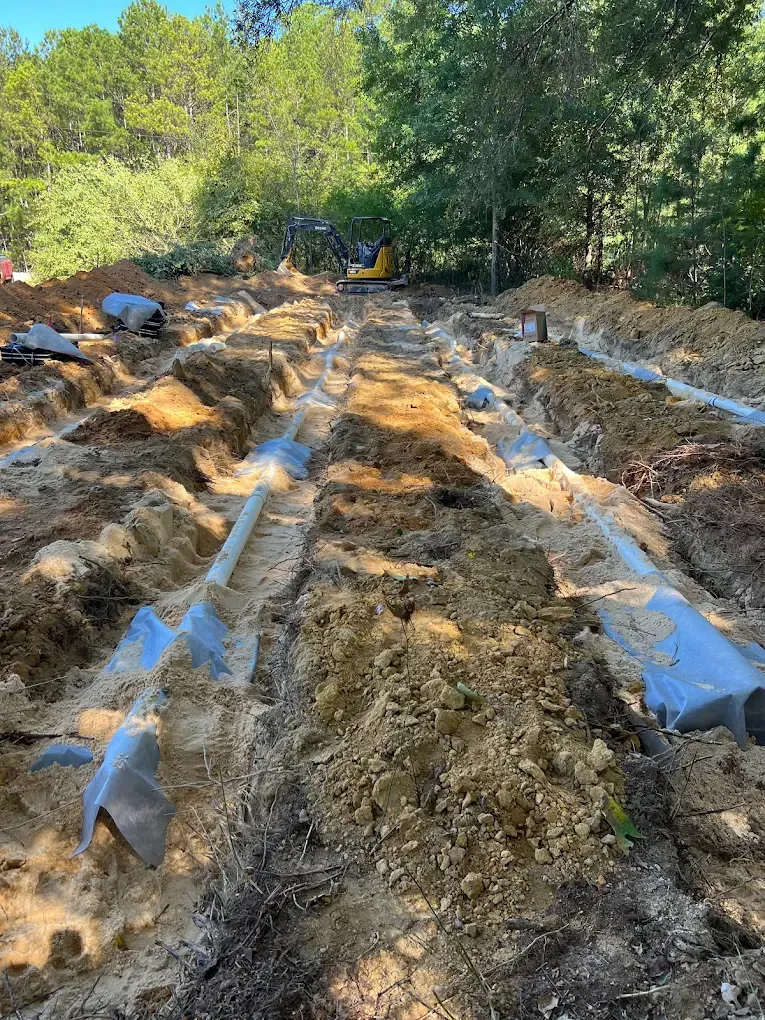
A drain field is one of the most critical and most vulnerable parts of any septic system. In older systems, it is often the first area to show signs of failure due to long-term use, soil saturation, or uneven wastewater distribution.
JD Septic & Sewer performs detailed drain field inspections to assess how well wastewater is being absorbed and processed. This includes evaluating soil conditions, checking for pooling or wet areas, and identifying potential blockages or overload issues within the system.
We also inspect tank-to-field flow, ensuring that effluent is properly moving through the system without overloading the soil. When issues are found, we provide clear guidance on whether the system can be maintained, repaired, or requires further corrective action.
For older septic systems, drain field evaluation is essential to preventing full system breakdowns and avoiding expensive excavation or replacement work.
Common Questions About Older Septic Systems
Homeowners often have questions about how older septic systems behave over time and what inspection actually involves. These answers address the most common concerns we see in Atlanta-area properties.
How often should an older septic system be inspected?
Older systems should typically be inspected every 1–3 years depending on usage and condition. More frequent inspections may be needed if the system has a history of backups or drain field issues.
What are the warning signs of a failing drain field?
Common signs include wet or soggy areas in the yard, sewage odors, slow drains inside the home, and unusually green grass over the drain field area.
Can inspections prevent septic system failure?
Yes, regular inspections help identify small issues like early saturation or component wear before they turn into full system failures requiring expensive repairs.
Do older septic systems always need replacement?
Not necessarily. Many older systems can continue functioning with proper maintenance, repairs, and improved access such as riser installation and routine inspections.
Do you inspect septic systems without risers?
Yes, but systems without risers take longer to access. Installing risers is often recommended to improve future inspection efficiency and reduce service disruption.
Older septic systems can continue operating reliably when they are properly monitored and maintained. Routine inspections and drain field evaluations are the key to preventing unexpected failures and extending the life of your system.