Old System, New Problems: Repair vs. Replace Your Septic in Locust Grove, GA
Locust Grove, GA homeowners dealing with an aging or struggling septic system can determine whether repair or full replacement is the right path forward.
Repair First: Which Septic Problems Have Fixable Solutions?
When your septic system starts acting up, replacement shouldn't be the first conclusion you jump to. Many septic issues — even ones that cause real disruption — can be resolved with targeted repair work that costs a fraction of a full system replacement.
Pump failures are one of the most common fixable problems. In systems that use a pump to move effluent from the tank to the drain field, a failed pump stops the entire process. But the tank, pipes, and drain field may all be in perfectly good condition. Replacing the pump and any associated electrical components restores function quickly without disturbing the rest of the system.
Cracked or sunken risers and lids are another repair scenario. These access points can degrade over time from soil movement, vehicle weight, or simple wear. A collapsed lid creates a safety hazard and allows rainwater intrusion into the tank, which overloads the system. Replacing damaged risers and lids is a straightforward fix that often takes only a few hours.
Distribution box issues — where the box that routes effluent to multiple drain field lines becomes damaged or clogged — are also repairable in many cases. If only one or two drain lines are affected, targeted clearing or distribution box replacement can restore balanced flow across the field and extend the system's usable life. Reach out to learn more about septic repair services across Locust Grove and Henry County.
What Signals That Replacement Is the Smarter Financial Choice?
Some septic problems are beyond what repair can realistically address. Knowing when you've crossed that line protects you from throwing money at a system that's past its useful life.
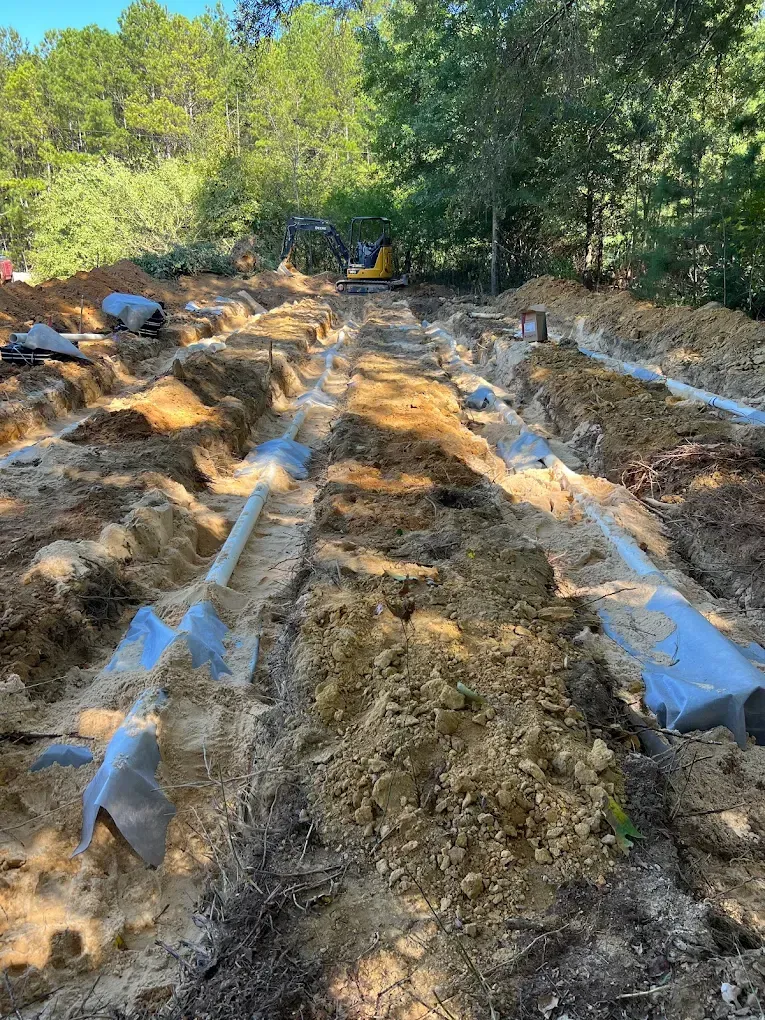
The clearest signal is a fully failed drain field. When soil has been saturated with untreated wastewater for long enough, it loses its ability to absorb. You may see standing water over the drain field area even in dry weather, or sewage odors in the yard. Once a drain field reaches this stage, no repair restores it — the absorption area needs to be relocated and rebuilt, which is essentially the same scope and cost as a new installation.
A tank that has structurally compromised — with visible cracks, collapse risk, or severe corrosion — is another replacement indicator. Temporary patches on a failing tank structure give you time but not a real solution. The underlying degradation continues, and each new crack or leak requires another repair visit. At some point the cumulative cost of keeping a deteriorating tank in service outpaces the cost of simply installing a new one.
Systems that are consistently overloading — because the household size has grown, because the drain field was undersized at installation, or because soil conditions have changed — are also strong replacement candidates. A new system can be designed and sized for current conditions, giving you decades of reliable service rather than a cycle of recurring repairs.
Do Permit Requirements in Locust Grove Affect Repair vs. Replace Choices?
Georgia's permitting requirements apply not just to new septic installations but to certain repair and replacement scenarios as well. Understanding what triggers a permit requirement in Henry County helps you plan ahead and avoid costly compliance issues.
Minor component repairs — replacing a pump, fixing a broken pipe section, or swapping a damaged lid — typically don't require a new permit. These are considered maintenance activities that don't alter the fundamental design or capacity of the system. Your contractor handles these directly without county health department involvement.
Significant repairs and full replacements are different. Any work that changes the tank size, relocates the drain field, or alters the system's design triggers the permit process. This means a new site evaluation, soil testing if conditions have changed, a system design review, and formal approval before work begins. In Henry County, this process takes time, and building it into your project timeline is essential to avoid delays.
If your existing system was installed without permits — which happens more often on older rural properties than you might expect — a replacement project may require a complete evaluation and compliance process as if the system is brand new. This can add time and cost to the project. Discovering this situation early, rather than in the middle of an emergency replacement, gives you more options for managing the process smoothly.
What Does a Repair vs. Replace Assessment Actually Look Like?
If you call JD Septic & Sewer with concerns about your system, the assessment process starts with understanding the full picture — not just the symptom you called about.
The team evaluates tank condition by examining the structure, checking sludge and scum levels, inspecting baffles, and assessing lid and riser integrity. They'll review drain field performance, looking for wet areas, odors, or uneven absorption across the field. Pipe condition between the home, tank, and drain field gets checked for cracks, root intrusion, or separation at joints. All of this feeds into a complete diagnosis rather than a guess based on surface symptoms.
From there, the recommendation balances technical findings with practical considerations: system age, cost of repair versus replacement, permit implications, and your plans for the property. The goal is an honest recommendation that serves your long-term interests — not one that defaults to the most expensive option or the fastest one.
Read what other Locust Grove and Henry County property owners say about this process on our customer testimonials page, and call JD Septic & Sewer at (470) 541-0848 to schedule an evaluation of your system.
Getting a clear diagnosis before committing to repair or replacement saves you from guessing — and from spending money on the wrong solution for your system's actual condition.
Start with a professional evaluation by calling JD Septic & Sewer at (470) 541-0848 for expert septic repair and replacement services in Locust Grove.